
The Unstoppable Rise of Women’s Soccer: A Global Transformation
Explore the meteoric rise of women's soccer, from record-breaking FIFA World Cup viewership to the fight for equal pay and surging global investment.

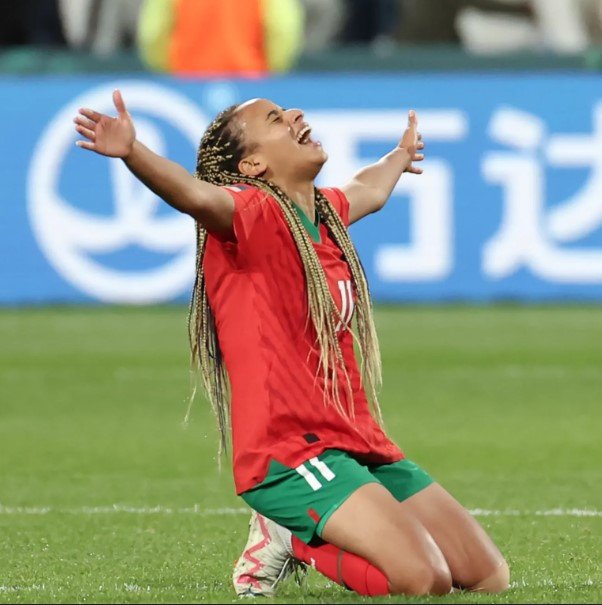
The landscape of global athletics is undergoing a profound and permanent transformation, and at the epicenter of this shift is the meteoric rise of women's soccer. Once relegated to the margins of the sporting world, the women’s game has shattered glass ceilings, broken attendance records, and captured the imagination of millions of fans across every continent. This evolution is not merely a passing trend; it represents a fundamental restructuring of the sports industry, driven by elite athleticism, dedicated social advocacy, and an increasing recognition of the immense commercial potential inherent in female competitions. From the grassroots level to the most prestigious international stages, the sport is experiencing a golden age that is redefining what it means to be a professional athlete in the 21st century.
The historical context of the sport makes its current success even more remarkable. For decades, women’s football faced systemic barriers, including outright bans in several major footballing nations and a chronic lack of funding. However, the resilience of players and advocates has paved the way for a new era. Today, the conversation has shifted from a struggle for existence to a pursuit of excellence and equity. The modern era of the sport is characterized by a high level of technical proficiency, tactical sophistication, and a growing infrastructure that supports players from a young age, ensuring that the talent pool is deeper and more competitive than ever before.
The Global Impact of the FIFA World Cup
The most visible marker of this progress has been the unprecedented success of the FIFA World Cup. The 2023 tournament, hosted by Australia and New Zealand, served as a definitive watershed moment. It was not just the quality of the play on the pitch that impressed; it was the sheer scale of global engagement. Stadiums were consistently packed, and television viewership reached billions, proving that the appetite for high-stakes women’s competition is universal. This global stage has allowed players to become household names, transcending the sport to become cultural icons and role models for a new generation of athletes.
The success of the World Cup has also forced a reassessment of the sport's value by broadcasters and governing bodies. The 2023 edition saw a significant increase in prize money and a commitment to improving the conditions for all participating teams. This tournament demonstrated that when the product is marketed effectively and given a platform, it can compete with any other sporting event in terms of drama and viewership. The ripple effects of a successful World Cup are felt long after the final whistle, as national federations are encouraged to invest more heavily in their women’s programs to capitalize on the momentum generated by the tournament.
The Fight for Equal Pay and Institutional Change
Parallel to the athletic achievements on the pitch, the narrative of the sport has been inextricably linked to the fight for equal pay. This movement, which gained significant traction through the advocacy of the United States Women’s National Team (USWNT), has become a rallying cry for female athletes worldwide. The USWNT’s landmark legal battle and subsequent settlement served as a catalyst, proving that the demand for equitable compensation is not just about fairness, but about recognizing the economic value that these athletes bring to their organizations.
The success of the equal pay movement in the United States has inspired similar actions in countries like Australia, Norway, England, and Brazil. National federations are increasingly moving toward models where male and female players receive the same match fees and performance bonuses. This shift is crucial for the professionalization of the sport, as it allows female players to focus entirely on their training and performance without the financial burdens that have historically hindered their careers. Furthermore, the push for equity extends beyond salaries to include equal access to training facilities, medical staff, travel arrangements, and marketing support, ensuring a truly professional environment for all athletes.
The Rise of Professional Women's Football Leagues
While international tournaments provide the highlights, the long-term health of the sport depends on the strength and sustainability of professional women's football leagues. In recent years, domestic competitions have seen a dramatic upgrade in quality and visibility. In Europe, leagues such as the Women’s Super League (WSL) in England, Liga F in Spain, and the Frauen-Bundesliga in Germany have benefited from the involvement of traditional powerhouse clubs. Teams like Barcelona, Chelsea, and Arsenal have integrated their women’s sides into the core of their operations, providing them with the resources and branding necessary to attract large audiences.
In the United States, the National Women’s Soccer League (NWSL) continues to set the standard for professionalization. With expanding franchises, record-breaking attendance figures, and lucrative new broadcasting rights deals, the NWSL has become a destination for the world’s top talent. The professionalization of these leagues ensures a consistent level of competition throughout the year, which is essential for player development and fan engagement. As more leagues around the world transition from semi-professional to fully professional structures, the gap between the top nations and developing footballing countries is beginning to narrow, leading to a more competitive and exciting global landscape.
Global Investment in Women's Sports as a Business Imperative
The rapid growth of the game is supported by a massive shift in global investment in women's sports. Corporate sponsors, who were once hesitant to commit significant portions of their marketing budgets to women’s athletics, are now competing for a slice of the market. Brands are recognizing that the audience for women’s soccer is diverse, loyal, and highly engaged. This is not just "charity" or "social responsibility" investment; it is a calculated business move based on the high return on investment that the sport now offers.
Major corporations like Nike, Adidas, Barclays, and Google have signed multi-million dollar sponsorship deals that provide the financial backbone for leagues and tournaments. This influx of capital is being used to improve infrastructure, enhance the fan experience, and develop sophisticated digital content that reaches fans across the globe. Investment is also flowing from private equity firms and high-net-worth individuals who see the untapped potential in women’s sports franchises. As valuations of women’s teams continue to soar, the sport is proving to be one of the most promising growth sectors in the entire entertainment industry.
The Role of Media and Digital Platforms
The rise of the sport has been significantly aided by the changing media landscape. Traditional broadcasters are now dedicating more airtime to women’s matches, but perhaps more importantly, digital platforms and social media have allowed the sport to bypass traditional gatekeepers. Fans can now access highlights, behind-the-scenes content, and live matches from anywhere in the world. This accessibility has helped build a global community of supporters who are deeply invested in the lives and careers of the players.
Streaming services have also played a vital role in increasing visibility. By offering dedicated packages for women’s leagues, these services have made it easier for fans to follow their favorite teams and players. The data generated by these platforms provides clear evidence of the growing demand, which in turn attracts more advertisers and investors. The synergy between on-field performance and digital engagement has created a powerful feedback loop that continues to propel the sport forward.
The Future: Sustainability and Grassroots Development
As we look toward the future, the focus is shifting toward ensuring the long-term sustainability of the sport. This requires a continued commitment to grassroots development and youth academies. For the sport to continue its upward trajectory, young girls in every corner of the world must have the opportunity to play, receive quality coaching, and see a clear pathway to a professional career. Investment in youth programs is the only way to ensure a steady pipeline of talent that will keep the professional leagues and national teams competitive.
Furthermore, the governance of the sport must continue to evolve. Increasing the representation of women in leadership roles within FIFA, continental confederations, and national associations is essential for ensuring that the unique needs of the women’s game are addressed. By fostering an environment of inclusivity and innovation, the footballing world can ensure that the current rise of women's soccer is not just a peak, but the beginning of a new, permanent plateau of excellence. The journey toward full equality and global dominance is still ongoing, but the momentum is now undeniable. The beautiful game has truly become a game for everyone.
What's Your Reaction?
 Like
0
Like
0
 Dislike
0
Dislike
0
 Love
0
Love
0
 Funny
0
Funny
0
 Wow
0
Wow
0
 Sad
0
Sad
0
 Angry
0
Angry
0











Comments (0)